Cosmetic Dentistry for Smile Symmetry and Balance
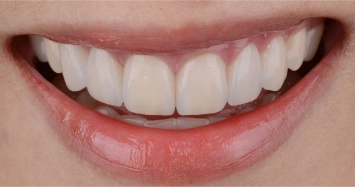

A balanced smile rarely comes down to one perfect tooth. What most people notice, even if they cannot explain it, is harmony. The front teeth relate to the lips, the gumline frames the teeth evenly, the midline feels centered enough, and the overall shape suits the face rather than distracting from it. Cosmetic Dentistry is often discussed in terms of whiteness or straightness, but in practice, the more meaningful goal is usually symmetry and balance.
That distinction matters. A smile can be very white and still look off. It can be technically straight and still feel heavy on one side, too short in the front, or uneven at the gumline. The most successful cosmetic work tends to be the least obvious. It does not announce itself as dentistry. It simply makes the whole face look more settled.
In clinical settings, patients rarely ask for “better smile symmetry” on day one. They say one side looks different in photos. They mention that a front tooth seems too long, or that their smile tilts when they laugh. Some have had old bonding for years and feel that the repair no longer matches the neighboring tooth. Others come in wanting veneers, only to discover that the issue is not tooth color at all, but worn edges, asymmetrical gums, or a bite pattern that has gradually shifted the look of the smile.
Understanding symmetry in dentistry requires a little restraint. Human faces are not perfectly symmetrical, and trying to force perfect mirror-image teeth often produces a result that feels artificial. Good cosmetic treatment respects natural asymmetry while reducing the features that catch the eye for the wrong reason.
What smile symmetry really means
Symmetry in a smile is partly dental and partly facial. The central incisors, those two upper front teeth, usually anchor the visual center. If they differ significantly in length, width, angulation, or translucency, the difference shows immediately. But balance is broader than matching those two teeth. The gum heights over the front teeth matter. The way the incisal edges follow the curve of the lower lip matters. The amount of tooth visible at rest matters, especially as people age and natural wear shortens the teeth.
A smile may be balanced even when it is not mathematically symmetrical. One lateral incisor may be slightly smaller than the other, yet the smile still works because the proportions are coherent and the discrepancy does not dominate. On the other hand, very small irregularities in the front can become obvious if they intersect with the light, the lip line, or a dark triangle near the gums.
This is where trained judgment comes in. Digital tools can measure widths and angles, but cosmetic dentistry is not graphic design. Teeth live in a moving face. They show differently when someone speaks, laughs, clenches, or relaxes. A result that looks ideal in a static photo may look flat or bulky in person if surface texture, contour, and translucency were ignored.
Why “perfect” often looks wrong
Patients sometimes bring reference photos of celebrity smiles and ask for exact duplication. That approach almost never translates well. The width of the arch, the thickness of the lips, the facial proportions, and even the patient’s personality influence what looks natural. A broad, square, ultra-bright smile may suit one person and overwhelm another.
One common mistake in cosmetic work is overcorrecting asymmetry. If a patient has one slightly shorter front tooth and both teeth are aggressively crowned or veneered into exact sameness, the final result can lose character and vitality. Natural teeth have subtle differences in line angle, surface luster, and edge translucency. Erasing all of that can create a smile that is symmetrical in the technical sense but somehow lifeless.
A better target is visual balance. Experienced cosmetic dentists often ask a practical question: where does the eye go first? If the eye lands on a chipped edge, one high gumline, a dark discolored filling, or a rotated lateral incisor, that becomes the focus. Correcting that focal distraction often improves the whole smile more than a full reconstruction would.
The anatomy of a balanced smile
Several small relationships create the effect people describe as “even” or “attractive.” These are not rigid rules, but they are reliable guides.
The upper central incisors usually dominate the smile in a pleasing way. They should neither disappear nor look oversized. The lateral incisors beside them are typically a bit shorter and a bit narrower, giving the smile progression rather than a blocky lineup. Canines provide corner support and influence whether the smile feels soft or sharp.
The gumline is often underestimated. If one central incisor has a higher gum margin than the other, the teeth may look mismatched even when the enamel itself is the same size. Likewise, if excess gum tissue covers one tooth more than its counterpart, the visible crown seems shorter. Patients frequently assume the tooth is the problem when the gum architecture is really the issue.
The smile arc also matters. This refers to how the edges of the upper front teeth relate to the curve of the lower lip during smiling. A gentle parallel relationship tends to look youthful and balanced. Flat edges can make the smile seem aged or severe. Overly exaggerated length, however, can look theatrical and interfere with function.
Then there is the midline. Many patients worry about a centerline that is not perfectly aligned with the face. In practice, small deviations are often not noticeable. A canted or slanted plane is usually more distracting than a slight shift to one side. That is why treatment planning cannot rely on a single measurement.
The conditions that commonly disrupt symmetry
Cosmetic concerns often trace back to ordinary wear and tear rather than dramatic injury. Years of grinding can shorten one side more than the other. Minor childhood trauma can darken a single tooth or alter its growth. Old bonding stains at a different rate than enamel and starts to stand out. Gum recession may expose root surface on one canine while the opposite side remains unchanged.
In day-to-day practice, several patterns show up repeatedly:
- Uneven tooth wear from grinding or clenching
- Asymmetrical gum levels caused by anatomy, inflammation, or eruption patterns
- Tooth discoloration, especially when one front tooth has had trauma or root canal treatment
- Small rotations, spacing, or crowding that draw attention to one side
- Mismatched restorations such as old bonding, crowns, or veneers
Each of these can affect the smile differently. A patient with slight crowding may need only enamel reshaping and whitening. Another with one dark central incisor may need internal bleaching, a veneer, or a crown depending on the tooth’s structural history. A person with uneven gum heights might benefit from soft tissue contouring more than from restorative work.
How cosmetic dentists evaluate the whole picture
A strong cosmetic consultation is part design, part diagnosis. The visible asymmetry is not always the true problem. If one incisor keeps chipping at the edge, replacing the bonding again and again will not solve the issue if the bite is driving excessive force into that tooth. If veneers are placed over active grinding without managing the habit, beautiful work may fail early.
Most careful assessments include photographs, a bite analysis, close examination of gum levels, and discussion of how the smile appears in motion. Static before-and-after images can be misleading because they flatten texture and hide speech dynamics. Many dentists also review older photos from the patient’s twenties or thirties. Those images often reveal the person’s natural tooth proportions before wear, recession, or previous dental work changed the smile.
The emotional side matters too. Some patients notice every half millimeter. Others simply want the smile to stop bothering them in pictures. Neither perspective is wrong, but the treatment plan should fit the patient’s expectations. There is a substantial difference between subtle refinement and a full smile makeover, both in scope and in commitment.
Treatments that restore balance without overdoing it
One of the best developments in modern cosmetic dentistry is the shift toward conservative treatment. Not every asymmetry calls for veneers, and not every smile needs comprehensive work. In many cases, the most elegant correction preserves most of the natural tooth.
Bonding is often the first option worth discussing. It is useful for small chips, slight contour differences, black triangles, and minor proportion adjustments. In skilled hands, bonding can make a tooth appear more centered, a lateral incisor more proportional, or a worn edge more youthful. The trade-off is longevity. Composite resin is durable, but it can stain, wear, or chip more readily than ceramic over time.
Porcelain veneers are more powerful when shape, color, and symmetry all need improvement. They can correct width discrepancies, close spaces, mask discoloration, and refine the smile arc. Yet they require careful case selection. Veneers placed on healthy teeth for tiny defects can be too aggressive if simpler options exist. They also demand meticulous planning so the teeth do not end up too opaque or bulky.
Orthodontic treatment, including clear aligners, is often underestimated in cosmetic planning. If the asymmetry comes from tooth position rather than tooth shape, moving the teeth is often healthier than covering the issue restoratively. A rotated lateral incisor, a shifted midline, or uneven gingival display caused by eruption position may respond best to orthodontics, sometimes followed by minor bonding or whitening.
Cosmetic DentistryGum contouring can transform a smile when the issue lies in the frame rather than the tooth. Reshaping excess gum tissue around one or more teeth can make the visible crowns look even and improve the relationship between the teeth and the upper lip. That said, not every gum discrepancy should be treated. The biologic width, root anatomy, and periodontal health all matter.
Whitening plays a supporting role. It does not fix symmetry directly, but it can make uneven restorations or surface defects more noticeable if done too early. For that reason, sequencing matters. A dentist might whiten first to establish the target shade, then match bonding or ceramic work afterward. In other cases, contour changes come first, with whitening reserved until the architecture is stable.
When the bite is the hidden problem
Many cosmetic failures start with a missed functional issue. If one side of the bite carries more force, the teeth on that side often wear faster, chip more often, or migrate subtly. Patients think the problem is visual, and it is, but the cause is mechanical.
A patient in their forties may present with one central incisor shorter than the other and ask for a veneer. On closer examination, the tooth is shorter because of repeated edge wear from nighttime grinding and a slightly uneven contact pattern. If a veneer is placed without addressing the bite, the new edge may fracture or debond. Restoring symmetry without stabilizing function is like painting over a crack in plaster.
This is also why night guards come up so often in cosmetic treatment plans. They are not glamorous, but they protect the investment. Patients who brux often do very well with cosmetic work if the bite is adjusted thoughtfully and a guard is worn consistently.
The art of shade, texture, and light
People tend to focus on shape because it is easier to describe, but the optical side of cosmetic dentistry has just as much influence on balance. Two teeth can be identical in outline and still look mismatched if the surface texture differs. A restoration that is too smooth reflects light differently and can appear larger or flatter than the neighboring tooth. If it is too opaque, it can look dead next to translucent enamel.
This is especially important in the front teeth. The incisal third often has character that is hard to mimic, faint translucency, delicate mamelons in younger teeth, tiny variations in luster. When these details are handled well, the dentistry disappears. When they are ignored, even expensive work can look obvious.
Patients sometimes request the brightest possible shade, assuming this will make the smile more attractive. It can, but only up to a point. Very bright ceramic on a face with warmer skin tone, mature lips, or naturally lower translucency can look disconnected. The best shade is usually the one that makes the person look healthy, not the one that wins in a shade tab lineup.
Case planning is often staged, not rushed
Some of the most satisfying outcomes happen in phases. A patient might begin with orthodontic alignment, then whitening, then conservative bonding to refine edge lengths. Another may need gum recontouring first, followed by provisional mock-ups to test tooth length before committing to ceramic restorations.
Mock-ups are useful because they turn abstract goals into something visible. A patient who says, “I want my teeth a little longer,” may realize that even one millimeter changes the Cosmetic Dentistry smile dramatically. Temporary restorations or chairside mock-ups allow adjustments before final work is fabricated.
A practical sequence often looks like this:
- Diagnose the cause of imbalance, not just the appearance
- Stabilize oral health and bite issues first
- Move teeth if position is the primary problem
- Refine gum levels or tooth contours as needed
- Finish with shade matching, bonding, veneers, or crowns only where necessary
This kind of sequencing prevents overtreatment and reduces surprises. It also gives the patient time to adapt and give feedback. Cosmetic dentistry is not only about what looks good under operatory lights. It has to feel right in speech, in photos, and in everyday life.
Small changes can produce the biggest improvements
It is easy to underestimate what conservative refinement can do. Rounding a sharp canine tip, smoothing one uneven incisal edge, replacing stained bonding on a lateral incisor, or lifting one gum margin slightly can shift the entire smile. These are modest interventions, but they often produce the kind of change patients describe as “I still look like myself, just better.”
That outcome is worth protecting. Overbuilt veneers, unnaturally uniform teeth, and excessive whitening tend to age poorly from an aesthetic standpoint, even when the materials remain intact. Faces change over time. Lips thin, display patterns shift, and the smile that looked striking at thirty can look too rigid at fifty if it was designed without natural softness.
A dentist with cosmetic skill usually knows when to stop. That may sound simple, but restraint is part of expertise. If the patient’s smile already has strong anatomy and healthy enamel, the right move may be enamel polishing, selective reshaping, and whitening rather than a complete veneer case.
Choosing the right provider matters
Cosmetic work for symmetry and balance is less about selling a popular treatment and more about diagnosis, design sense, and technical execution. Patients benefit from asking to see examples of cases that resemble their own, not just dramatic transformations. A portfolio full of ultra-white veneer makeovers does not necessarily prove skill with subtle asymmetry corrections.
Communication is equally important. Good cosmetic dentists tend to explain what can be improved, what should be left alone, and where compromises exist. They discuss maintenance. They tell patients when a minimally invasive option may need touch-ups sooner than porcelain. They also recognize when a request for perfect symmetry is unrealistic because the face itself is naturally asymmetric.
That honesty helps prevent disappointment. Cosmetic dentistry can do remarkable work, but it is most successful when the goal is enhancement, not impersonation.
Living with the result
The best cosmetic treatment settles into a person’s life. Friends notice that they look refreshed, not altered. Photographs become easier. The patient smiles more freely because attention is no longer pulled toward a chip, shadow, or imbalance they have fixated on for years.
Maintenance, of course, remains part of the picture. Bonding may need polishing or replacement over time. Veneers and crowns require healthy gums and regular care. Whitening is often refreshed periodically. Patients who grind need protection. None of that diminishes the value of the treatment. It simply reflects the reality that cosmetic dentistry is still dentistry, subject to biology, force, and time.
Smile symmetry and balance are not vanity projects when approached thoughtfully. They are part of how a person presents themselves, how they age, and how confidently they engage with others. The strongest cosmetic outcomes are not always the most dramatic. More often, they are the ones that remove visual friction and restore coherence, so the smile feels natural again, both to the patient and to everyone else looking at them.
Toothworks of Bakersfield, Dentist and Orthodontist
1030 H St #1, Bakersfield, CA 93304, United States
+1 661-323-9421
FAQ About Cosmetic Dentistry
Is bonding better than veneers?
Neither option is best for everyone. Composite bonding can address small chips, gaps, or shape concerns and is generally easier to repair. Porcelain veneers may offer greater resistance to staining and wear, but often require removal of some enamel. A dentist should assess your oral health, bite, goals, and budget before recommending treatment.
How long will dental bonding last?
Bonding commonly lasts about three to ten years before it needs repair or replacement, though this varies with the location and amount of bonding, your bite, and daily habits. Regular dental visits, good oral hygiene, and avoiding chewing hard objects can help protect it. Ask your dentist what lifespan is realistic for your particular treatment.
What are the risks of teeth whitening?
Whitening can cause temporary tooth sensitivity and gum irritation. Overuse or incorrect use may damage teeth or gums, and whitening does not change the color of existing crowns, veneers, or fillings. Have a dentist assess your teeth and gums, and follow the recommended product directions and treatment schedule.